Art Certificates and Documentation: What You Need
In the world of luxury fine art, authenticity is paramount. Whether you are a seasoned collector or a budding investor, understanding art certificates and documentation is crucial to safeguarding your investments. In this article, we delve into the significance of these documents, what to look for, and their impact on the value of your art collection.
The Importance of Art Certificates and Documentation
Art certificates and documentation serve as the backbone of the fine art market. They provide proof of authenticity, provenance, and condition, ensuring that collectors are making informed decisions. According to a report by the Art Market Research firm, artworks with verified documentation can command prices up to 30% higher than those without.
What is an Art Certificate?
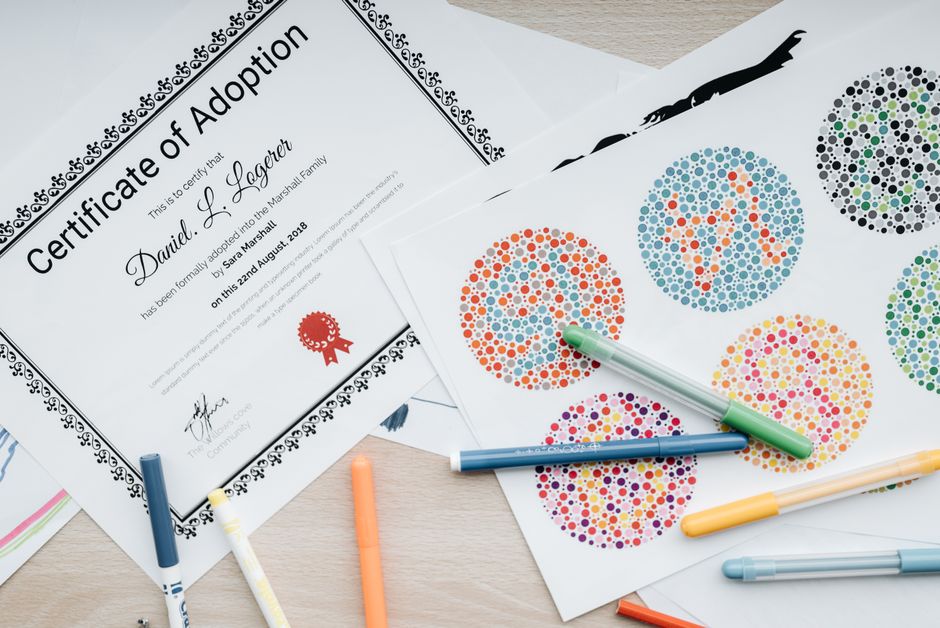
An art certificate is a formal document that verifies the authenticity of a piece of art. It typically includes the artist's name, title of the artwork, medium, dimensions, and sometimes a description of the piece. Most importantly, it is signed by a recognized authority, such as the artist, a reputable gallery, or an art appraiser.
Types of Art Documentation
- Provenance Records: Detailed histories of ownership that trace the artwork’s journey from the artist to the current owner.
- Appraisals: Professional evaluations of an artwork's market value, often conducted by certified appraisers.
- Condition Reports: Assessments that detail the physical state of an artwork, including any restorations or damages.
- Exhibition Histories: Records of past exhibitions where the artwork has been displayed, adding to its prestige and value.
Why Authenticity Matters in the Art Market
In an era where forgeries and misrepresented works are prevalent, authenticity has never been more important. The fine art market is estimated to be worth over $65 billion globally, making it a prime target for fraud. According to the FBI, art fraud remains one of the top ten property crimes in the United States.
Investors and collectors alike are increasingly discerning about the authenticity of artworks. A piece lacking a credible certificate can lead to significant financial loss, either by being undervalued or, worse, being deemed worthless.
How to Authenticate Your Art
Authenticating art involves several steps that rely on both documentation and expert evaluation. Here’s how to ensure the authenticity of your artworks:
1. Obtain Art Certificates
Always seek artworks that come with a valid art certificate. This document should be issued by a recognized authority in the art community. Look for certificates that include a detailed description of the artwork, as well as the methods used to verify its authenticity.
2. Research Provenance
Understanding an artwork’s provenance is key to verifying its authenticity. Provenance records should document every ownership transfer along with any exhibitions or publications. For instance, a painting by a renowned artist that has been consistently tracked through auction houses and galleries is far more trustworthy than one with a vague history.
3. Seek Professional Appraisals
Professional appraisals can not only confirm authenticity but also provide an estimated market value. Make sure to engage certified appraisers with a proven track record in the specific genre or period of the artwork you own.
4. Consult Experts
Engaging with art historians or experts can provide additional layers of authenticity verification. They can offer insights based on stylistic analysis and contextual history that may not be evident through certificates alone.
Recognizing Red Flags
While there are many reputable sellers and galleries, it is important to be aware of potential red flags that may indicate a lack of authenticity or dubious documentation. Here are some warning signs to keep in mind:
- No Certificate of Authenticity: If a seller cannot provide an art certificate, it is a significant red flag.
- Inconsistent Provenance: If the ownership history is unclear or contradictory, it may be a sign of forgery.
- Unreasonable Pricing: If the price seems too good to be true, it probably is. Authentic artworks by reputable artists rarely sell for significantly less than market value.
Investing in Art with Confidence
The luxury fine art market is a dynamic space filled with opportunity for discerning investors. By prioritizing art certificates and proper documentation, you can mitigate risks associated with authenticity and provenance.
According to a survey conducted by Artsy, 75% of collectors reported they would only purchase art with verified documentation. This statistic highlights the growing recognition of the importance of documentation in maintaining the integrity of art collections.
Actionable Takeaways
To ensure a successful art investment journey, keep these actionable takeaways in mind:
- Always request an art certificate when purchasing a piece.
- Investigate the provenance and history of the artwork thoroughly.
- Engage certified appraisers for professional evaluations.
- Consult with experts when in doubt.
Conclusion: Secure Your Art Investments
In the world of luxury fine art, the importance of art certificates and documentation cannot be overstated. By understanding and prioritizing these elements, you can make informed purchasing decisions that enhance the value of your collection while protecting your investments. Don’t leave your art acquisitions to chance—invest in authenticity and provenance.
For assistance with your fine art purchases and to explore our curated collection, contact us today. Let us help you navigate the intricate world of fine art with confidence and clarity.